
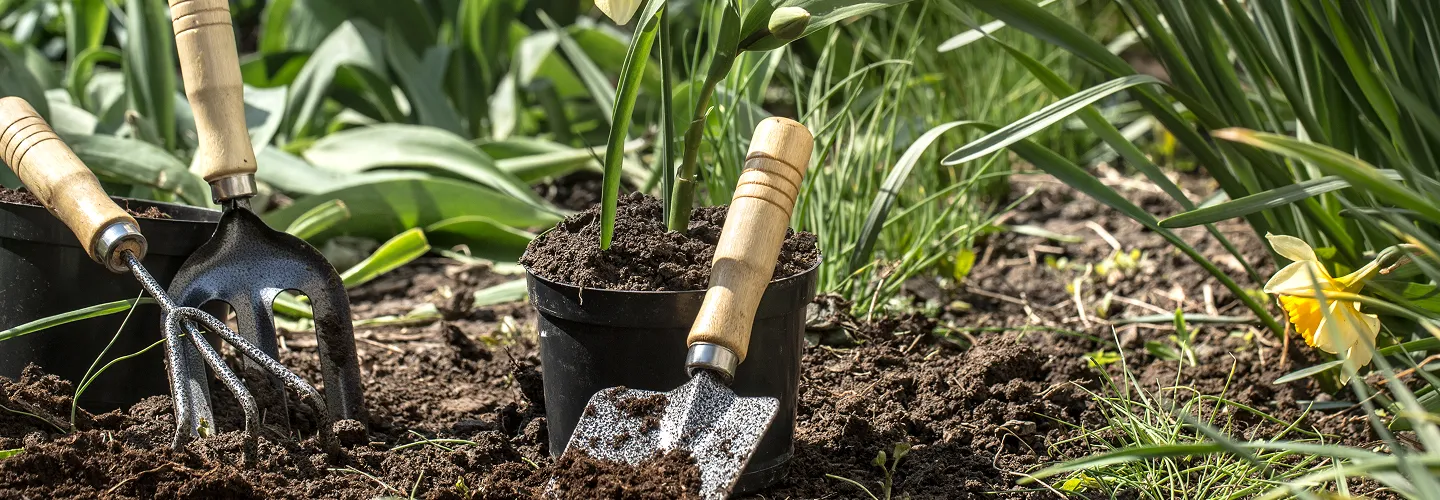
Longboat Key Dethatching Lawn Services
Choose our dethatching lawn services for a healthier, greener yard—our experienced team removes built-up thatch to promote stronger roots, better water absorption, and a lush, vibrant lawn you’ll love.
Get a Free QuoteOur Longboat Key Landscaping & Yard Care Services
When to Schedule Dethatching Lawn in Longboat Key, Florida – Seasonal Guide
In Longboat Key, Florida, the best time to schedule lawn dethatching is typically in late spring or early summer, after the last frost and before the peak of the rainy season. The subtropical climate here means lawns, especially those in neighborhoods like Country Club Shores or near Joan M. Durante Park, experience rapid grass growth and thatch buildup due to high humidity and warm temperatures. Timing dethatching to coincide with active grass growth ensures your lawn recovers quickly and remains healthy throughout the year.
Local environmental factors play a significant role in determining the optimal dethatching window. For example, areas with dense shade from mature palms or oaks, such as those found along Gulf of Mexico Drive, may require more frequent attention due to slower thatch decomposition. Soil type also matters—sandy soils common in Longboat Key drain quickly but can dry out, increasing drought risk if dethatching is done during peak heat. Always check for any municipal guidelines or seasonal restrictions by visiting the Town of Longboat Key’s official site before scheduling service.
Local Factors to Consider for Dethatching Lawn in Longboat Key
- Tree density and shade coverage (affects thatch buildup and decomposition)
- Soil type (sandy vs. loamy soils impact moisture retention)
- Proximity to saltwater or coastal breezes
- Typical precipitation patterns and risk of drought
- Frost dates and timing of spring green-up
- Terrain and drainage characteristics
- Municipal restrictions or neighborhood association guidelines
Benefits of Dethatching Lawn in Longboat Key
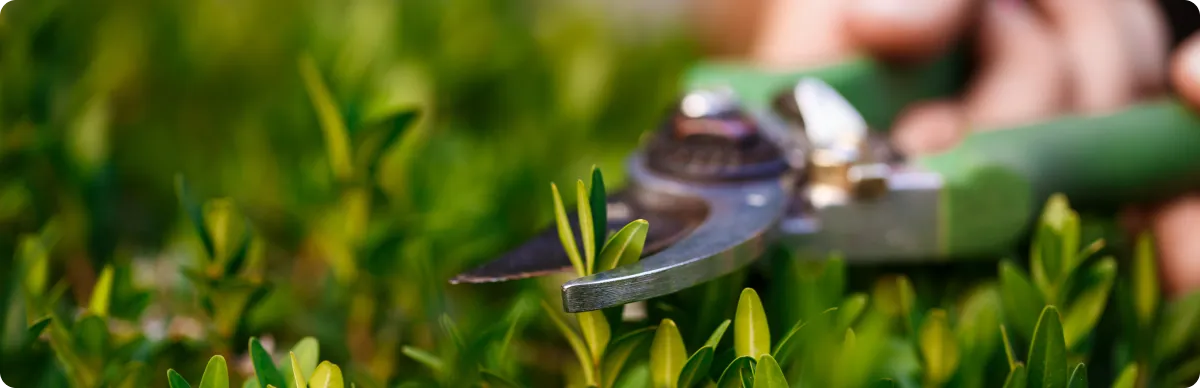
Improved Lawn Health
Enhanced Water Absorption
Stronger Grass Growth
Reduced Pest Problems
Boosted Curb Appeal
Professional Landscaping Expertise
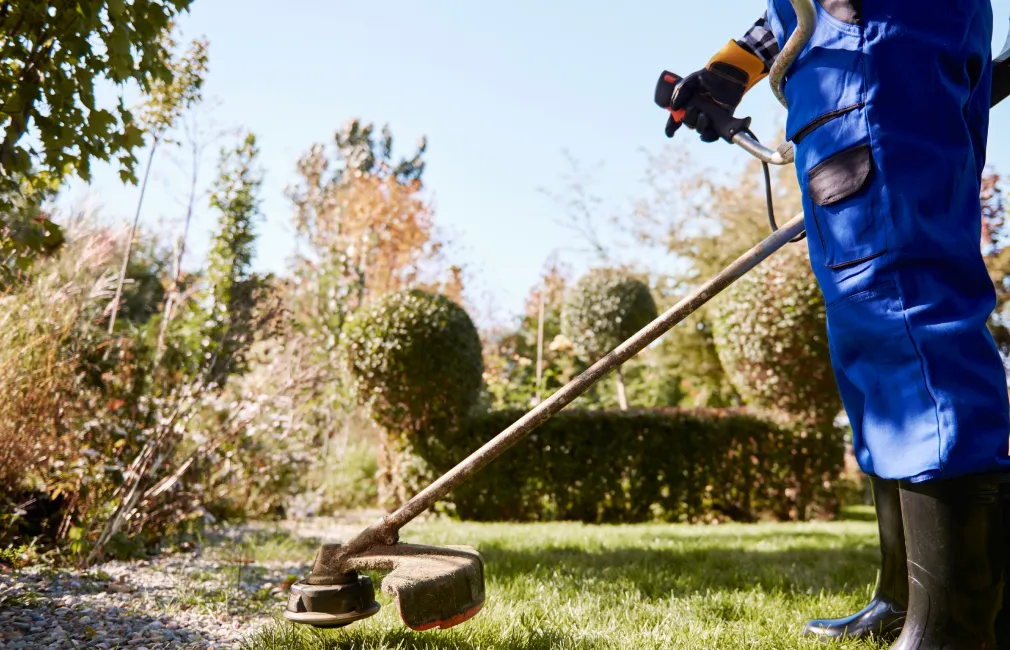
Longboat Key Dethatching Lawn Types

St. Augustine Grass Dethatching
-
Bermuda Grass Dethatching
-
Zoysia Grass Dethatching
-
Bahia Grass Dethatching
-
Centipede Grass Dethatching
-
Seashore Paspalum Dethatching
-
Mixed Lawn Dethatching
Our Dethatching Lawn Process
Lawn Evaluation
Thatch Depth Measurement
Dethatching Equipment Setup
Thatch Removal
Cleanup and Disposal
Why Choose Longboat Key Landscape Services
-
Longboat Key Homeowners Trust Us
-
Expert Lawn Maintenance
-
Reliable Irrigation Solutions
-
Comprehensive Tree Care
-
Competitive Pricing
-
Professional and Courteous Team
-
Satisfaction Guarantee
Coordinating Dethatching Lawn Services with Longboat Key Public Works
Dethatching activities in Longboat Key require careful coordination with the Department of Public Works, especially regarding the collection and disposal of vegetative debris. Residents and property managers must ensure that all thatch and organic waste generated during dethatching is properly contained and placed for collection according to municipal guidelines. Improper disposal can lead to blockages in stormwater systems and negatively impact local canals and swales. The Public Works Department provides guidance on acceptable yard waste handling and schedules for collection. For larger projects or if working near public rights-of-way, it is advisable to notify the department in advance to avoid conflicts with municipal maintenance or drainage operations. Key steps include:
- Bundling or bagging dethatching debris as required by city collection rules
- Keeping all organic material away from curb inlets, swales, and canal edges
- Verifying collection days and procedures for bulk yard waste
Longboat Key Public Works
501 Bay Isles Road, Longboat Key, FL 34228
Phone: 941-316-1988
Official Website: Longboat Key Public Works
How Longboat Key’s Coastal Climate and Soils Affect Dethatching Lawn
Longboat Key is classified as a Gulf Coast Florida barrier island, with a subtropical coastal climate, high humidity, and sandy soils. These conditions directly influence turf growth and thatch accumulation. Key local factors include:
- Sandy, fast-draining soils: Predominant on the island, these soils can lead to rapid nutrient leaching and require careful management of turf health after dethatching.
- High humidity and warm temperatures: Promote vigorous growth of St. Augustinegrass and zoysiagrass, both of which are common and prone to thatch buildup.
- Salt exposure and proximity to canals: Lawns near the coast or waterways may experience additional stress, making recovery after dethatching more sensitive to irrigation and timing.
Additionally, the wet season (typically June through September) brings heavy rainfall, which can increase the risk of runoff carrying dethatching debris into storm drains and canals. Residents should consult the USDA Plant Hardiness Zone Map and USDA Web Soil Survey for more detailed local soil and climate data.
Regulatory Considerations and Environmental Compliance for Dethatching in Longboat Key
Dethatching activities must comply with both municipal and state environmental regulations. The Town of Longboat Key enforces codes related to property maintenance and stormwater protection, particularly to prevent organic debris from entering the stormwater system. The Longboat Key Code Enforcement Division monitors compliance with these standards. Additionally, Florida’s NPDES Stormwater Program requires that all landscape maintenance, including dethatching, be conducted in a manner that prevents runoff of debris and nutrients into local waterways. Key compliance points include:
- Ensuring dethatching debris is not left on streets, sidewalks, or near storm drains
- Avoiding the use of unlicensed pesticides or herbicides during turf recovery, as regulated by FDACS Pesticide Applicator Certification and Licensing
- Confirming that any work in public rights-of-way or near drainage features is reviewed by the appropriate municipal department
Longboat Key Code Enforcement Division
501 Bay Isles Road, Longboat Key, FL 34228
Phone: 941-316-1966
Official Website: Longboat Key Code Enforcement Division
Professional Dethatching Methods and Timing for Longboat Key Lawns
Effective dethatching in Longboat Key is best scheduled during the active growing season for warm-season turfgrasses, typically late spring through early summer. This timing allows for rapid turf recovery and minimizes stress. Professional standards for dethatching in this region include:
- Targeting St. Augustinegrass and zoysiagrass, which are most prone to thatch buildup in local conditions
- Using mechanical dethatching equipment set to remove only the excess thatch layer (generally more than 0.5 inch thick)
- Irrigating lightly after dethatching to support turf recovery, but avoiding overwatering to prevent runoff
- Monitoring for signs of fungal activity, as high humidity can increase disease risk following dethatching
For additional guidance on turf recovery and maintenance, refer to UF/IFAS Gardening Solutions - Lawn Maintenance and Care and UF/IFAS Gardening Solutions - Lawns.
What Neighborhoods Do We Serve Throughout Longboat Key, FL?
- Country Club Shores This area features canal-front lots with mature landscaping and requires careful debris management to protect waterways.
- Bay Isles Known for larger lots and extensive irrigation systems, dethatching here often involves coordination with HOA landscaping standards.
- Longbeach Village Characterized by older homes and shaded lots, dethatching must account for tree canopy and variable turf density.
- Buttonwood Harbour Waterfront properties with direct bay access demand strict runoff control during lawn maintenance.
- Corey’s Landing Gated community with newer fill-based soils, where dethatching supports healthy turf on compacted ground.
- Sleepy Lagoon Features a mix of coastal and inland lots, with drainage sensitivity near swales and stormwater inlets.
- Harbour Oaks Landscaped common areas and proximity to parks require adherence to both municipal and HOA maintenance protocols.