
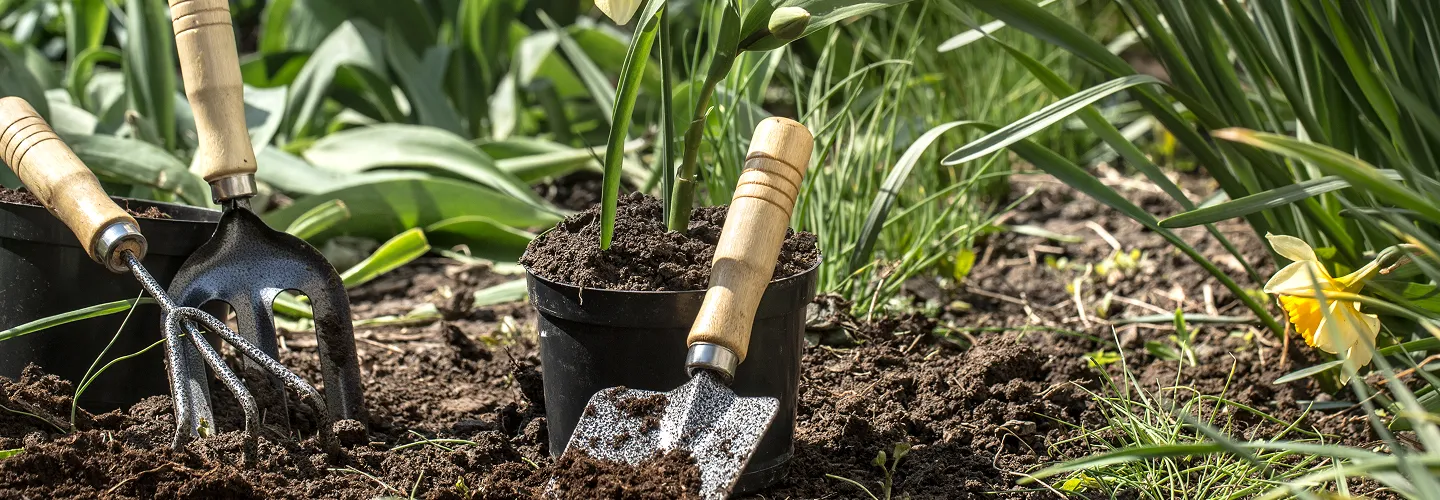
Longboat Key Flower Planting Services
Choose our Flower Planting services for vibrant, expertly arranged blooms that thrive in Longboat Key’s unique climate—bringing lasting beauty and curb appeal to your home or business.
Get a Free QuoteOur Longboat Key Landscaping & Yard Care Services
When to Schedule Flower Planting in Longboat Key, Florida – Seasonal Guide
Flower planting in Longboat Key, Florida, is best scheduled with careful attention to the region’s subtropical climate and unique landscape features. The optimal planting windows typically fall between late fall and early spring, when temperatures are milder and rainfall is more predictable. This timing helps new plantings establish strong root systems before the intense summer heat and humidity arrive. Neighborhoods like Country Club Shores and the areas near Bayfront Park benefit from proximity to the Gulf, which moderates temperature swings and reduces the risk of frost, but it’s still important to monitor local weather patterns closely.
Local environmental factors such as sandy soils, high humidity, and occasional drought conditions play a significant role in determining the best time for flower planting. Shade coverage from mature palms and oaks, especially in established communities like Longboat Key Estates, can influence both plant selection and timing. Additionally, municipal guidelines and seasonal irrigation restrictions, which can be found on the Town of Longboat Key’s official website, should be reviewed before scheduling any major planting projects.
Local Factors to Consider for Flower Planting in Longboat Key
- Proximity to the Gulf and salt spray exposure
- Soil composition (predominantly sandy with variable drainage)
- Average last frost date (typically late January)
- Summer drought risk and irrigation restrictions
- Shade from mature trees and building placement
- Neighborhood-specific landscaping guidelines
- Seasonal rainfall patterns and hurricane season timing
Benefits of Flower Planting in Longboat Key
Expert Local Knowledge
Customized Landscape Designs
Seasonal Plant Selection
Enhanced Curb Appeal
Eco-Friendly Practices
Reliable Maintenance Services
Longboat Key Flower Planting Types

Annual Flower Beds
-
Perennial Garden Design
-
Native Wildflower Plantings
-
Seasonal Color Rotations
-
Pollinator-Friendly Gardens
-
Container Flower Arrangements
-
Shade-Loving Flower Selections
Our Flower Planting Process
Site Evaluation
Soil Preparation
Plant Selection
Careful Planting
Watering and Mulching
Why Choose Longboat Key Landscape Services
-
Longboat Key Homeowners Trust Us
-
Expert Lawn Maintenance
-
Reliable Irrigation Solutions
-
Comprehensive Tree Care
-
Competitive Pricing
-
Professional and Courteous Team
-
Satisfaction Guarantee
Coordinating Flower Planting with Longboat Key Parks and Public Works
Flower planting in Longboat Key often involves coordination with municipal departments, especially when projects are adjacent to public rights-of-way, parks, or stormwater features. Residents and property managers should be aware that planting in public-facing areas, such as medians or near canal edges, may require review or approval from the Parks & Recreation Department. For plantings that could impact drainage swales or stormwater inlets, the Public Works Department may provide guidance on species selection and placement to prevent root intrusion or runoff issues. When planning a project, it is advisable to verify whether the proposed location is within a public easement or subject to city maintenance. For larger or community-scale plantings, coordination with both departments ensures compliance with municipal standards and helps protect Longboat Key’s infrastructure and water quality.
- Confirm if your planting site is within a public right-of-way or easement
- Coordinate with Parks & Recreation for public-facing or park-adjacent beds
- Consult Public Works for drainage, swale, or stormwater proximity concerns
Longboat Key Parks & Recreation
Italics not available, Longboat Key, FL Italics not available
Phone: Italics not available
Official Website: Longboat Key Parks & Recreation
Longboat Key Public Works
Italics not available, Longboat Key, FL Italics not available
Phone: Italics not available
Official Website: Longboat Key Public Works
How Longboat Key’s Coastal Climate and Soils Shape Flower Planting
Longboat Key is classified as a Gulf Coast Florida barrier island, with a subtropical coastal climate, high humidity, and exposure to salt-laden winds. The USDA Plant Hardiness Zone for the area is 10a, supporting a wide range of tropical and subtropical flowering species. However, several local conditions must be considered:
- Soils are predominantly sandy and well-drained, often with shell or fill-based amendments in developed areas, which can lead to rapid nutrient leaching and require soil amendment for sustained flower health (USDA Web Soil Survey).
- The wet season typically runs from June through September, bringing intense rainfall and potential for temporary flooding in low-lying or poorly drained beds.
- Coastal exposure means salt spray and high winds can stress sensitive species, making salt-tolerant and wind-resistant flowers preferable for waterfront or exposed sites.
These factors influence species selection, irrigation planning, and soil preparation for successful flower planting in Longboat Key.
Regulatory Considerations and Environmental Compliance for Flower Planting
Flower planting in Longboat Key must comply with both municipal and state-level environmental standards. While private residential beds generally do not require permits, plantings that alter drainage patterns, encroach on public rights-of-way, or are adjacent to stormwater features may be subject to review by the Planning, Zoning & Building Department. The town enforces codes to prevent nuisance vegetation and to protect visibility and access along streets and sidewalks. Additionally, Florida’s Model Ordinance for Florida-Friendly Fertilizer Use applies to urban landscapes, including flower beds, to reduce nutrient runoff into canals and the bay. Residents should avoid fertilizer applications during the wet season and keep all soil amendments and mulch away from storm drains and swales. For projects near water bodies, consult the Florida DEP NPDES Stormwater Program for additional compliance guidance.
Longboat Key Planning, Zoning & Building
Italics not available, Longboat Key, FL Italics not available
Phone: Italics not available
Official Website: Longboat Key Planning, Zoning & Building
Professional Standards and Timing for Flower Planting in Longboat Key’s Climate
Successful flower planting in Longboat Key requires attention to both timing and technique, given the region’s heat, humidity, and rainfall patterns. The optimal planting windows are typically late fall through early spring, when temperatures are moderate and rainfall is less intense. During the wet season, new plantings may be vulnerable to root rot or washout, so soil drainage and mulching are critical. Professional standards recommend:
- Amending sandy soils with organic matter to improve water and nutrient retention
- Selecting salt-tolerant and heat-adapted species for exposed or waterfront sites
- Installing drip or micro-irrigation systems to minimize runoff and conserve water (EPA WaterSense Outdoors)
- Maintaining a mulch layer of 2-3 inches to moderate soil temperature and suppress weeds
Routine inspection for fungal issues is advised, especially during periods of high humidity. Always keep planting beds and mulch clear of stormwater inlets and swales to protect local water quality.
What Neighborhoods Do We Serve Throughout Longboat Key, FL?
- Country Club Shores This waterfront community features canal-front lots with high irrigation needs and salt exposure, requiring careful plant selection and drainage management.
- Bay Isles Known for its gated subdivisions and mature landscaping, Bay Isles presents a mix of shade and sun exposures, with many beds adjacent to lakes or ponds.
- Longbeach Village This historic area has older lots, variable soil fill, and proximity to Sarasota Bay, making soil amendment and runoff control especially important.
- Buttonwood Harbour With larger lots and established trees, this neighborhood often requires shade-tolerant flowers and attention to root competition.
- Corey’s Landing Located near golf courses and retention ponds, Corey’s Landing faces both irrigation intensity and stormwater sensitivity.
- Harbour Oaks This area’s smaller lots and HOA landscaping standards call for coordinated planting and maintenance schedules.
- Sleepy Lagoon A mix of coastal and interior lots, Sleepy Lagoon presents both salt-tolerant and traditional planting opportunities, with drainage considerations for low-lying sites.